
Dime Blog
Balancing Games and Practice in Youth Sports: An LTAD Perspective
As parents, it's natural to want to see your children compete and play in games. However, the Long-Term Athlete Development (LTAD) model emphasizes the importance of balancing games with practice — and the research strongly suggests that more practice time leads to better long-term outcomes.
Understanding the LTAD Model
The LTAD framework outlines the optimal development pathways for young athletes, focusing on both lifelong physical activity and high-performance success. Three key stages are particularly relevant:
Active Start (Ages 0-6): This stage emphasizes play and basic movement skills. It's about getting kids moving and having fun with physical activity in all forms.
FUNdamentals (Ages 6-9): Multiple sports participation is encouraged, with the focus squarely on fun and participation rather than competition. This is where the love of sport is built.
Learn to Train (Ages 9-12): Structured training is introduced while maintaining enjoyment. This is the critical window for developing fundamental athletic skills.
Why Practice Over Games
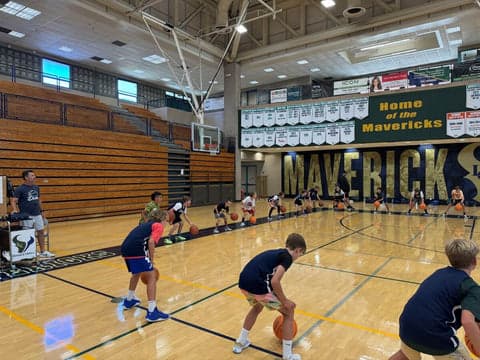
Skill Development: Practice provides a controlled environment for skill refinement through repetition. Players can work on specific fundamentals like dribbling, shooting, and passing with focused coaching attention.
Learning and Experimentation: Practices offer a safe space for experimentation without the pressure of competition. Players can try new moves, make mistakes, and receive immediate coaching feedback.
Physical Development: Balanced practice workloads help prevent overuse injuries while supporting age-appropriate physical development. Games can be physically demanding, and young bodies need proper preparation.
Mental and Emotional Growth: Regular practice builds confidence through consistent improvement, teaching patience, perseverance, and resilience — qualities that serve athletes throughout their lives.

The Role of Games
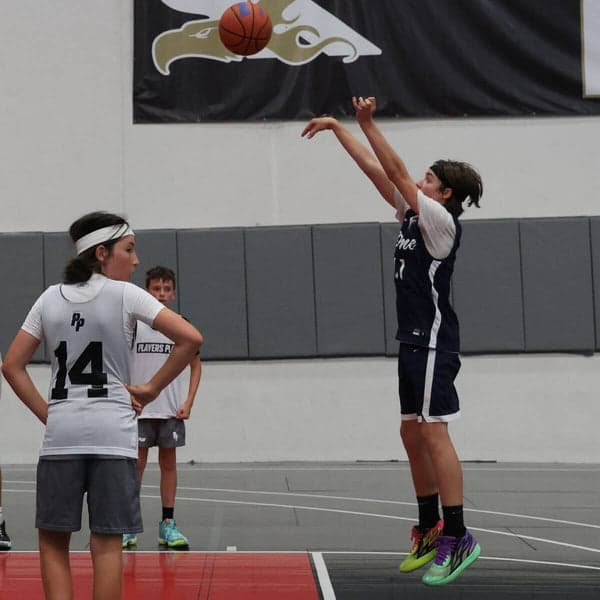
Games are still essential! They provide opportunities to apply learned skills in competitive situations, foster teamwork and communication under pressure, and help develop healthy competitive attitudes. The key is getting the ratio right.
Striking the Right Balance
The LTAD model recommends at least 70% of training time devoted to practice and 30% to games, though this varies by sport and developmental stage. At younger ages, the practice percentage should be even higher.
Our Commitment at Dime
At Dime Basketball, we adhere to frameworks endorsed by the NBA, MLB, and NHL. We believe that consistent, deliberate practice creates the foundations for long-term athletic success. We design our seasons to give players ample development time while still providing meaningful competitive experiences. The results speak for themselves — our players develop skills, confidence, and a genuine love for the game.